Online Payment Systems: The Most Powerful Way for Businesses to Accept Payments
In an increasingly digitized trade landscape, one of the most critical challenges for any enterprise is ensuring that its online payment system is built on a foundation of speed, security, and scalability. Traditional methods, manual wire transfer tracking, and the overhead of physical POS terminals often lead to irreparable loss of time, high operational costs, and unpredictable financial uncertainty. This is precisely where modern digital payment solutions step in—serving as the heartbeat of financial operations to eliminate commercial boundaries and grant businesses a competitive edge on a global scale.
An online payment system is an end-to-end financial infrastructure that enables businesses to accept payments via credit cards, debit cards, prepaid cards, or digital wallets. With this infrastructure, enterprises are no longer tethered to cumbersome physical POS devices, error-prone manual bank transfers, or restricted business hours. Instead, they can process payments from anywhere in the world in seconds, providing uninterrupted 7/24 service.
For today’s visionary companies, digital payment solutions are more than just a method; they are a strategic FinTech architecture that maximizes cash flow, boosts conversion rates, and elevates operational efficiency. Furthermore, while minimizing fraud risks, these systems allow you to deliver personalized payment experiences that strengthen long-term customer loyalty.
Industries Where Online Payment Systems Play a Critical Role
Our digital payment infrastructure is designed with the flexibility to adapt to the unique payment cycles of every industry. For enterprises operating in the following sectors, adopting a robust online payment system is a strategic necessity:
- E-Commerce Enterprises: Ensuring speed and security (PCI-DSS) at checkout to prevent cart abandonment and maximize conversion rates.
- B2B Organizations: Digitizing complex payment and receivables tracking processes through advanced collection management.
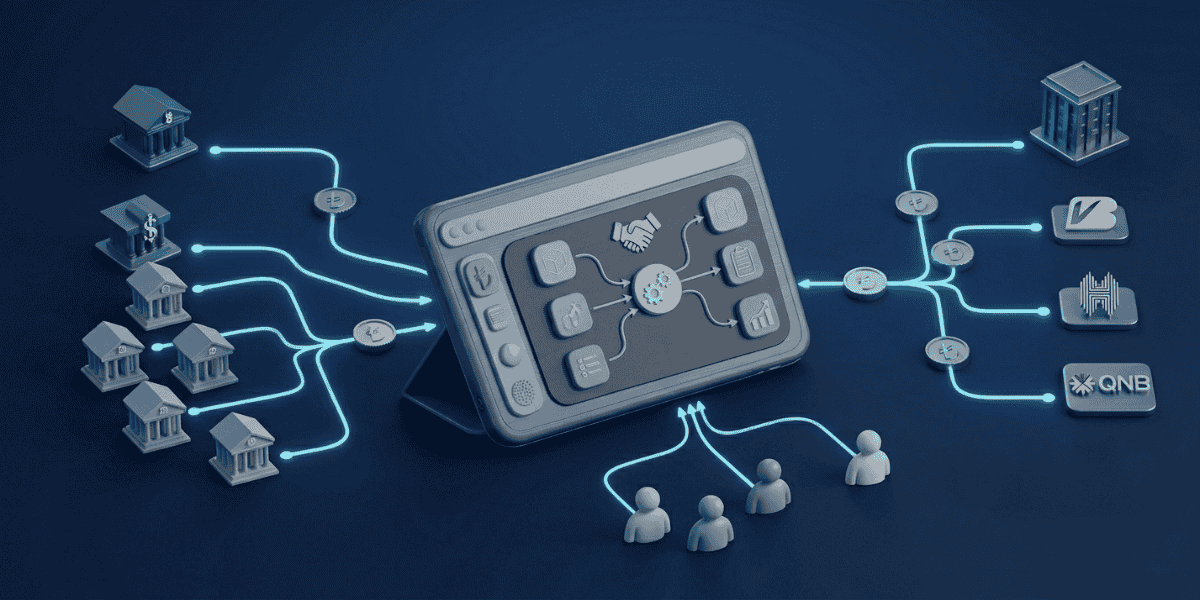
- Franchise & Dealer Networks: Consolidating payments from multiple sub-dealers and branch locations into a single, centralized hub.
- Freelancers & Solopreneurs: Facilitating professional payments via secure "payment links," even without a dedicated physical storefront or website.
- Consulting & Professional Services: Enabling the remote, secure, and instantaneous collection of service fees.
- Educational Institutions: Managing enrollment fees, tuition, and periodic payments with flexible installment plans.
- SaaS & Software Companies: Automating subscription-based (recurring) payments to eliminate manual operational overhead.
In this comprehensive guide, we will explore what an online payment system entails, its technical operational principles, why it has become indispensable for businesses, and how to select the most efficient digital payment solution from a sea of available options.
What is an Online Payment System?
An online payment system is a next-generation payment technology that enables businesses to collect payments for products or services over the internet through various digital layers, eliminating the need for physical interaction. Often described as the digital evolution of traditional POS terminals, this system transcends physical borders, expanding commerce from local shops to global digital markets.
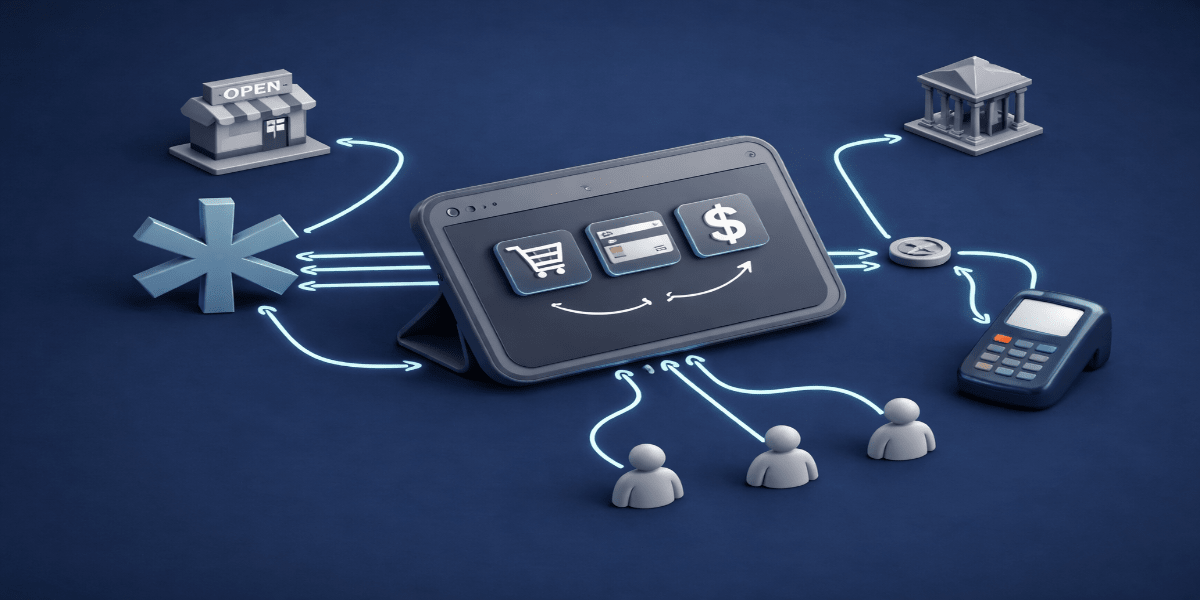
With this technological infrastructure, customers can complete their transactions in seconds, the moment they make a purchasing decision, using the following modern payment methods:
- Credit Card Payments: The ability to accept payments globally with installment or single-payment options across all major card networks.
- Debit Card Payments: Secure, direct transactions using the customer's available bank account balance.
- Virtual POS (vPOS): A fully integrated digital payment gateway operating seamlessly via websites or mobile applications.
- Payment Links: A frictionless solution that removes the need for a website, allowing you to collect payments via secure links sent via SMS, email, or WhatsApp.
- Mobile Payment Methods: High-speed, contactless digital transaction capabilities compatible with smartphones and NFC-based technologies.
- Digital Wallets: Secure vault infrastructures that enable one-click checkout, removing the need for customers to re-enter card information.
Online payment systems operate through full API (Application Programming Interface) integration with banking core systems and licensed payment institution infrastructures, ensuring that every transaction is executed at the highest security standards, such as PCI-DSS.
How Does an Online Payment System Work? The 5-Step Transaction Cycle
When a customer initiates a payment, a sophisticated, security-first process takes place in the background within milliseconds. The transaction cycle proceeds as follows:
- Redirect to Secure Payment Interface: The customer is directed to a secure payment gateway, protected by 256-bit SSL encryption, ensuring all data is transmitted securely.
- Data Entry and Tokenization: The customer enters their card details. These sensitive data points are immediately processed via tokenization technology, masking the information to neutralize cyber risks.
- Bank Verification and 3D Secure: The payment request is transmitted to the issuing bank. The bank validates the transaction via 3D Secure protocols, often requiring a one-time password (OTP) sent directly to the customer’s mobile device.
- Authorization and Transaction Approval: Upon verifying the credit/debit limit and conducting security checks, the bank grants an authorization code, confirming the transaction is valid.
- Settlement: The approved funds are automatically transferred to the enterprise's commercial bank account according to the agreed-upon settlement period (valor dates).
This complex financial traffic is completed in just a few seconds thanks to the Payfoni infrastructure. This balance of speed and security makes online payment systems the most efficient, measurable, and sustainable payment method for everyone—from micro-enterprises and freelancers to large-scale corporations.
How Do Online Payment Systems Work?
Online payment infrastructures are built upon several core FinTech (Financial Technology) layers, meticulously designed to manage thousands of data packets in milliseconds with absolute precision. The success of a digital transaction relies on the seamless and secure synchronization of various communication protocols working in parallel.
During a digital payment operation, the following technologies—which function as the "central nervous system" of the financial ecosystem—collaborate in a fully integrated environment:
Payment Gateway: The Digital Bridge in Payment Processing
A Payment Gateway is a mission-critical technology that establishes a high-security data channel between the customer (payer), the enterprise (merchant), and the financial institution (acquirer/processor). Acting as the cloud-based evolution of physical POS terminals, this digital infrastructure ensures that data is transmitted from one endpoint to another without any risk of exposure or leakage.
When a customer enters sensitive card data—such as the Primary Account Number (PAN), CVV, and expiry date—the gateway immediately utilizes advanced encryption methods, such as AES-256 bit encryption, to mask the information. This sensitive data is then securely routed to the banking provision centers for authorization, guaranteeing that all financial interactions remain protected throughout the entire communication lifecycle.
Core Responsibilities and Operational Functions
The Payment Gateway serves as the infrastructure backbone, executing several critical operational functions with high precision:
- Secure Transmission of Sensitive Data: Payment data is encrypted before entering any open network. The gateway establishes a "secure tunnel" (via SSL/TLS protocols), ensuring that sensitive information can only be decrypted by authorized financial institutions.
- Routing to Banking & Authorization Centers: Encrypted data packets are routed to the relevant bank's virtual POS (vPOS) infrastructure or the payment institution's core servers within milliseconds to initiate the authorization process.
- Transaction Validation and Status Notification: The system instantly decodes response codes—such as "Approved," "Insufficient Funds," or "Declined"—received from the bank. It validates the transaction status and delivers real-time feedback (Success/Fail) to both the merchant's dashboard and the customer.
- Fraud Detection and Risk Mitigation: Beyond mere data transmission, the gateway acts as an intelligent security layer. It analyzes key metrics—such as geographical location (IP geolocation), transaction velocity, and behavioral patterns—to identify and block suspicious activities, effectively minimizing fraud risk.
Virtual POS (vPOS)
A Virtual POS (vPOS) is a software-based solution that adapts the functionality of traditional physical POS terminals to the digital ecosystem. Instead of a hardware device reading a physical card, this technology allows for the secure capture of payment data via digital forms. It enables businesses to accept credit and debit card payments within seconds directly through a website or a mobile application.
While its core operational logic mirrors that of a physical terminal, the vPOS distinguishes itself through its speed and global reach, making it the most critical component of modern e-commerce. When a customer confirms their shopping cart, the payment request is routed through multi-layered cybersecurity protocols via the vPOS, transmitting it directly to the acquiring bank’s authorization center. Upon bank approval, the transaction is finalized in seconds, ensuring a seamless checkout experience.
The Strategic Value of Virtual POS (vPOS) Technology for Enterprises
Adopting a Virtual POS (vPOS) is not merely a payment method; it is a powerful operational lever that drives business growth:
- Unified Integration with All Banks: Through advanced vPOS infrastructures like Payfoni, you bypass the burden of managing separate technical integrations and individual contracts for every bank. A single API connection empowers you to offer installment options across all major banking networks.
- Optimized Checkout & Conversion Rates: By leveraging frictionless payment interfaces and one-click payment options, you minimize cart abandonment rates, ensuring a seamless transaction flow that maximizes sales conversion.
- Dynamic Currency Conversion & Global Reach: Our vPOS infrastructure enables you to accept payments in multiple currencies (USD, EUR, GBP, etc.), effectively removing commercial borders and positioning your business to compete in global markets.
- Intelligent Transaction Routing: Payment requests are automatically routed to the optimal banking infrastructure based on real-time success rates. This Smart Routing technology minimizes failure rates and ensures the highest possible transaction reliability.
Security Verification Systems
In online payment processing, security is not merely a technical feature; it is the cornerstone of brand reputation and financial sustainability. To counter increasingly sophisticated fraudulent tactics, modern online payment systems are built upon a multi-layered defense mechanism. These technologies establish a "security shield" that protects the transaction journey from the moment data leaves the customer until the bank’s final authorization.
A modern and professional payment infrastructure employs the following advanced security technologies to protect both merchants and cardholders against potential cyber threats and fraud risks:
Multi-Layered Security Architecture
To ensure the highest standard of financial safety, our infrastructure is built on a multi-layered security architecture that protects all stakeholders. We utilize the following advanced technologies to mitigate risk and ensure seamless transactions:
- 3D Secure 2.0 (Strong Customer Authentication - SCA): This protocol requires customers to authenticate their identity during payment via OTP or biometric data. Version 2.0 excels by delivering a "frictionless payment" experience, boosting conversion rates without compromising security standards.
- SSL (Secure Sockets Layer) Encryption: All data traffic between the payment interface and the server is protected by military-grade 256-bit encryption. This ensures that sensitive card details remain unreadable to any third party during transit.
- PCI-DSS Level 1 Compliance: We adhere to the Payment Card Industry Data Security Standard, the global benchmark established by major card networks (Visa, Mastercard, Amex). As a PCI-DSS Level 1 compliant provider, Payfoni maintains the highest level of security certification for processing sensitive cardholder data.
- AI-Powered Fraud Detection Systems: Each transaction is analyzed in real-time across hundreds of parameters, including geographical location, IP address, spending patterns, and device fingerprinting. By assigning a Risk Score to every transaction, suspicious activity is identified and blocked instantly, preventing fraud before it occurs.
- Tokenization Technology: Instead of storing raw card data, we replace sensitive information with unique, non-sensitive "tokens." Since actual financial data is never stored on any server, the risk of data breaches is fundamentally eliminated.
These advanced technologies not only safeguard your enterprise against the costs and legal risks of chargebacks, but they also elevate brand loyalty by offering your customers a secure, world-class payment experience.
The Strategic Advantages of Online Payment Systems for Enterprises
In today's modern financial ecosystem, online payment systems provide far more than just technical convenience; they serve as a strategic lever that digitizes and optimizes a company’s entire financial operation. From accelerating cash flow to reducing operational overhead, these systems are essential tools for driving business efficiency.
Here are the core advantages that a professional payment infrastructure will bring to your enterprise:
1. 24/7 Uninterrupted Payments: Enabling Time-Independent Commerce
Unlike traditional trade cycles, online payment systems allow enterprises to accept payments at any hour of the day, seven days a week. In today’s digital economy, the concept of "business hours" has effectively dissolved, transforming commerce into a living, 24-hour organism.
- Transcending Geographical Borders: This capability provides a massive growth advantage, especially for companies with customer bases spread across different cities or international time zones.
- The Comfort of After-Hours Collection: Even when your physical storefront or office is closed, your customers can complete their transactions seamlessly through your website or dedicated, personalized payment links.
- Continuous Cash Position: Collections made during weekends or public holidays ensure that your company's cash position remains constantly updated and robust, regardless of the calendar.
- Preventing Customer Churn: Capturing payments the moment a customer’s purchasing motivation is at its peak (impulse buying) is the most critical factor in reducing cart abandonment and ensuring conversion success.
2. Accelerated Cash Flow & Liquidity Management
The financial health of an enterprise is measured not only by its sales volume but by the velocity at which those sales are converted into cash. Online payment systems digitize the collection process, exerting a direct and positive influence on your company’s cash flow. By replacing the traditional delays associated with checks, promissory notes, or manual bank transfer tracking with instantaneous data flow, businesses gain unprecedented financial control.
- Shrinking the Cash Conversion Cycle: By accelerating the receipt of payments, businesses significantly enhance their capacity to settle accounts payable and fund new strategic investments, thereby improving overall financial agility.
- Settlement Velocity & Financial Agility: Through advanced infrastructures like Payfoni, collected funds are transferred to your commercial account within the shortest possible settlement period (e.g., next-day settlement). This provides your enterprise with a major financial advantage regarding the time value of money.
- Eliminating Collection Delays: Utilizing automated payment reminders and flexible payment links streamlines the customer journey, reducing the Days Sales Outstanding (DSO) and minimizing the risk of overdue receivables.
3. Boosting Sales Rates & Conversion Efficiency
Payment diversity is directly proportional to sales success. When customers can complete transactions using their preferred secure methods or credit cards, both the likelihood of purchase and brand loyalty increase significantly.
- Empowering Customer Purchasing Power: For high-ticket products or services, offering installment options across all major credit cards accelerates the buyer's decision-making process. This flexibility directly boosts your conversion rates and significantly increases the Average Order Value (AOV).
- Frictionless Impulse Buying: Capturing the customer's intent at its peak is critical. By replacing complex forms with "one-click" checkout or instant payment links, you eliminate the friction that often causes customers to abandon their carts in the final seconds.
- The Psychological Factor of Trust: A professional, polished online payment interface cultivates an image of a corporate and reliable enterprise, effectively removing any hesitation at the checkout stage and ensuring the customer feels secure while finalizing the transaction.
4. Reducing Operational Costs & Process Automation
Traditional manual collection processes—involving invoice tracking, painstaking reconciliation of bank statements, and manual data entry into accounting systems—generate significant labor and time costs. Online payment systems radically reduce Operational Expenditures (OPEX) by digitizing these cumbersome workflows from end to end.
- Redirecting Human Capital to Strategic Initiatives: As routine tasks such as manual data entry and reconciliation are automated, your finance and accounting departments can pivot from administrative work to high-value areas like financial analysis and strategic planning.
- Eliminating the Cost of Human Error: Manual processes are inherently prone to risks such as incorrect amount entries, mismatched ledger accounts, or missed collections. Automated systems integrate banking data directly into your ERP, neutralizing these risks and the associated financial losses.
- Eliminating Hardware Overhead: The need for maintaining multiple physical POS terminals, paper rolls, dedicated phone lines, and hardware maintenance is obsolete. With a cloud-based online payment infrastructure, you achieve unlimited transaction capacity without incurring additional hardware costs.
- Cost-Effective Scalability: Automated Reconciliation processes allow for the reporting of thousands of transactions in seconds. This ensures that as your business scales, your operational capacity grows without the immediate need for increased headcount, providing superior scalability.
What is Payment by Link?
Payment by Link is an innovative method that enables enterprises to collect payments by sending customers a secure, unique payment URL. It eliminates the need for complex technical integrations or the requirement of a functional e-commerce website. Moving beyond traditional e-commerce models, this system serves as the most practical gateway into the digital payment ecosystem, perfectly suited for social commerce and remote service business models.
Particularly for enterprises conducting field operations, providing boutique services, or operating through social media channels, payment by link represents a professional financial solution that instantly digitizes and accelerates cash flow.
Payment by Link: The Process and Communication Channels
Enterprises can generate secure payment links, including specific amounts and descriptions, within seconds via the Payfoni dashboard. These links can be instantly shared with customers through their preferred communication channels to drive immediate action:
- WhatsApp & Telegram: Accelerate your sales closing process by sharing payment links directly during real-time conversations with your customers.
- SMS (Short Message Service): Reach any mobile device with internet access to send payment reminders or direct collection requests.
- Email: Shorten the collection cycle by embedding secure payment links directly into your formal business proposals or invoices.
- Instagram & Social Media: Convert followers into customers by directing prospects who inquire about products via Direct Message (DM) to a secure payment page.
The Experience: When a customer clicks the link, they are redirected to a highly secure, 256-bit SSL-protected payment page customized specifically for your brand. Upon entering their card details and completing 3D Secure authentication, the transaction is finalized, and the funds are instantly reflected in your system.
Primary Use Cases for Payment by Link
This method empowers businesses to collect payments online without the need for a website or complex vPOS infrastructure. It acts as a catalyst for digital transformation across various sectors:
- Consulting & Coaching Services: Facilitating the professional and remote collection of payments for session-based or project-based services.
- Freelance & Creative Projects: Enabling professionals in software development, design, or content creation to collect service fees seamlessly on a global scale.
- Social Media & Boutique Retail: Selling products directly through Instagram or Facebook without the high overhead costs associated with maintaining an e-commerce website.
- Education & Workshop Sales: Streamlining the collection of fees for workshops, seminars, or online courses directly from attendees.
- Specialized Service Sectors: Digitizing down payments or balance settlements for field-oriented industries such as technical maintenance, architecture, or event management.
Online Collection with Virtual POS (vPOS)
A Virtual POS (vPOS) is a cloud-based, software-driven equivalent of traditional physical POS terminals, engineered to facilitate credit and debit card payments over the internet. It stands as the fundamental, indispensable financial solution for enterprises aiming to deliver a professional shopping experience through e-commerce websites, mobile applications, or online sales platforms.
By eliminating the inefficiencies of traditional payment methods, the vPOS infrastructure provides a secure digital corridor that allows customers to complete transactions instantly, ensuring their purchasing motivation remains high throughout the checkout process.
Customer-Centric Flexibility of vPOS Systems
By integrating a modern Virtual POS (vPOS), you provide your customers with a world-class payment experience, ensuring convenience and security at every touchpoint:
- Global Credit Card Acceptance: Seamlessly process payments within seconds using all major local and international credit cards, including Visa, Mastercard, AMEX, and Troy.
- Debit Card Compatibility: Allow customers to perform secure transactions directly from their current accounts using debit cards, providing them with greater flexibility in managing their spending.
- Advanced Installment Programs: Fully integrated support for major banking installment programs (such as Bonus, World, Axess, Maximum, etc.), empowering you to offer flexible payment plans tailored to your customers' budgets.
- One-Click Checkout: Leveraging robust Tokenization (card-on-file) infrastructure, returning customers can finalize their purchases instantly without the need to re-enter sensitive card details, drastically enhancing retention and checkout speed.
The Strategic Significance of vPOS for Enterprises
A Virtual POS (vPOS) is more than just a payment interface; it is an infusion of operational intelligence into your business. With the Payfoni vPOS infrastructure, enterprises offer their customers a fast, transparent, and highly secure payment experience—fortified by 3D Secure 2.0—which significantly minimizes cart abandonment rates. Furthermore, by consolidating all banking activities into a single dashboard, businesses achieve massive time savings in financial reporting and reconciliation processes.
Collecting Payments Without a Website
In the rapidly evolving landscape of digital commerce, running a professional collection operation no longer requires complex websites or heavy software integrations. Many small businesses, boutique entrepreneurs, and freelancers are seeking ways to process payments securely, free from technical barriers.
The most practical and cost-effective method available today is the Link-to-Pay system. This solution provides your business with all the financial security typically associated with a full-scale e-commerce site—including PCI-DSS compliance and 3D Secure authentication—without the need for coding, website management, or ongoing maintenance.
Rapid Payment Link Generation & Flexible Collection
With the Payfoni payment link system, enterprises can generate customized payment URLs—complete with specific amounts, currency, and descriptions—within seconds via the intuitive Payfoni dashboard. This is more than just a convenience; it is a strategic tool that facilitates a "frictionless payment" experience, significantly accelerating your sales closing velocity.
This method serves as a catalyst for digital transformation, particularly in the following sectors:
- Freelance Professionals: Professionalize your service fee collections for software development, design, content creation, or translation by sending instant, secure payment links to both local and global clients.
- Consulting & Coaching: Enable lawyers, dietitians, and educational coaches to securely collect session fees either before or after appointments, ensuring seamless financial management.
- Social Commerce: Empower boutiques and sellers on Instagram, Facebook, or WhatsApp to finalize sales directly within Direct Messages (DM) without the friction of redirecting customers to external platforms.
- Individual Entrepreneurs & Micro-Enterprises: Project a corporate image by offering installment options across all major bank credit cards, even before investing in a full-scale e-commerce website.
- Field Operations & Technical Services: Allow your field teams to process payments instantly by sending a link to the customer’s mobile device, eliminating the need to carry physical POS terminals.
By collecting payments online without the need for a website, you enhance your operational agility while simultaneously overcoming "trust barriers" in seconds by offering customers a secure, familiar, and polished interface.
Security in Online Payment Systems
In the digital landscape, the primary source of cybersecurity risk is the storage of sensitive financial data on servers. Payfoni takes security standards a step further by strictly adhering to a "Zero-Data Storage" policy. This approach ensures "zero risk" in digital payments, providing unparalleled peace of mind for both your enterprise and your customers.
Why Do We Adopt a "Zero-Data Storage" Policy?
Unlike many other providers, our infrastructure strictly adheres to a "Zero-Data Storage" policy. This approach offers significant strategic advantages for your enterprise:
- Database Security: We do not store any sensitive information such as credit card numbers, CVV codes, or expiration dates. By eliminating the data pool, we effectively remove the risk of data breaches in the event of potential cyber-attacks.
- Privacy-Centric Payment Flow: When your customers process a payment, their data travels exclusively through a highly encrypted tunnel between the bank and Payfoni. Once the transaction is finalized, the data stream is terminated, leaving no footprint within our systems.
- Regulatory Compliance & GDPR/KVKK: By not storing card data, we ensure the highest level of compliance with both KVKK (Personal Data Protection Law) and global GDPR standards. We protect your enterprise from the heavy legal liabilities and administrative burdens associated with storing sensitive financial data.
- Customer Trust: Customers feel significantly more secure when they know their card details are not being logged or archived. This transparent approach directly strengthens your brand reliability and fosters long-term customer loyalty.
We believe that the safest path to protecting your business and your customers is not to store data, but to process it without the need for retention. With this strategic security architecture, we completely isolate your online collection processes from cyber risks.
What to Consider When Choosing an Online Payment System?
With dozens of payment solutions on the market, choosing the right online payment system for your business is a strategic decision that directly impacts not only your current needs but also your future growth objectives. A suboptimal choice can lead to hidden costs, technical disruptions, and, most critically, customer loss.
When establishing your digital financial infrastructure, you must evaluate the following critical factors through a strategic lens:
6 Critical Selection Criteria for Success
- Transparent Commission Rates & Hidden Cost Analysis: Do not be misled by "starting" rates. Inquire about monthly fees, inactivity charges, per-transaction fixed fees, or surprise annual renewal costs. Understanding the net cost structure (MDR) is vital for your long-term profitability.
- Fast & Flexible Integration Capability: Time is money. The speed at which a vPOS infrastructure can be integrated into your website or ERP systems (e.g., Logo, Mikro, SAP) is crucial. Systems that provide comprehensive API documentation and ready-to-use payment modules minimize your technical operational load.
- Data Security & "Zero-Trace" Policy: Beyond PCI-DSS Level 1 certification, focus on how the system processes data. Infrastructures like Payfoni that adhere to a "no-card-data storage" policy serve as the safest harbor, protecting your business from cyber risks and heavy KVKK (data protection) liabilities.
- Advanced Reporting & Analytics Dashboard: Interpreting data is as important as the payment itself. A management dashboard that provides real-time insights into failed transaction reasons, refund/cancellation processes, and settlement (valör) tracking reduces your finance team's margin of error to zero.
- Broad Bank & Card Network: Can you offer installment options for all bank credit cards through a single integration? If your operations require global reach, does it support multi-currency (USD, EUR, GBP) payments? These are key roles for your globalization vision.
- 24/7 Technical Support & Consultation: When facing a financial issue, being able to speak directly with an expert—rather than a chatbot—is priceless. A one-hour downtime at the payment gateway means significant revenue loss; therefore, "accessible support" is not a luxury, but a necessity.
When the right online payment system is chosen, businesses do not just gain a payment tool; they acquire a powerful financial partner that ensures operational excellence.
Online Payment Systems for B2B Enterprises
For companies operating under the B2B (Business to Business) model, payment management is a multi-layered and complex process, quite distinct from retail commerce. Traditionally, receiving payments from dealers, distributors, or major corporate clients involves heavy operational burdens, such as tracking checks and promissory notes, manual bank transfer reconciliation, and managing wet-signature mail-order forms. This manual structure leads not only to significant time loss but also to severe errors in financial tracking and bottlenecks in cash flow.
Modern online payment systems provide total control over financial management by automating these cumbersome B2B payment processes from end to end. The era of manual follow-ups—such as asking "Did the payment arrive?" or "Where is the receipt?"—is being replaced by a digital, transparent data flow that is completed in seconds.
The Operational Power of B2B Payment Infrastructure
With a modern B2B Payment Gateway, enterprises can manage the following strategic operations through a single, unified dashboard:
- Seamless Collections from Dealers via Credit Card: Your dealers can make payments 24/7 through a customized portal using credit cards, eliminating the need for physical visits or manual paperwork.
- Real-Time Current Account Tracking: Every online payment is instantly synced with your ERP (e.g., Logo, Mikro, SAP) or accounting software. This eliminates manual reconciliation processes, reducing your finance team’s operational workload by up to 80%.
- Flexible Payment Plans & Maturity Management: Enhance your commercial agility by configuring distinct maturity differences, customized commission rates, and payment plans for each dealer or customer segment.
- Blocked Installment Collection Advantage: Offer installment options on all bank cards while guaranteeing that the collected amount is transferred to your account under bank-guarantee, effectively mitigating your receivables risk.
- Smart Payment Reminders & Automation: Improve your DSO (Days Sales Outstanding) by automating system-driven SMS and e-mail reminders for upcoming or overdue receivables.
For companies with extensive dealer networks and complex supply chain management, online payment systems are the most strategic tool for digital transformation—strengthening financial control, eliminating operational errors, and protecting working capital.
Dealer Payment Management
Many manufacturers and distributors reach end-consumers through an extensive dealer network. In this business model, managing dealer payments in a consistent, error-free, and rapid manner is critical to the sustainability of cash flow for the parent company. Traditional cycles involving checks, promissory notes, or bank transfers represent both an operational burden and a financial risk factor for companies in a growth phase.
Online payment systems centralize your dealer network on a digital platform, fully automating the payment processes. Through these systems, your dealers can make payments in seconds without the need for physical POS terminals or manual bank transfers, utilizing the following methods:
- Online Payment via Credit Card: Dealers can settle their debts to the parent company using their own corporate cards or payments collected from their end-customers.
- Secure Payment via Debit Card: Process payments for maturing balances directly through the account balance within the card's limits.
- Payment Link Collection: Facilitate rapid payments during field visits or remote consultations using customized links, eliminating the need for complex technical interfaces.
- Blocked Installment Payment Options: Offer installment opportunities on all bank cards to your dealers, while ensuring that your receivables are under bank-guarantee, effectively eliminating your financial risk.
Strategic Contributions of Dealer Payment Systems to Corporate Enterprises
Digitalizing dealer management processes provides your business with more than just a payment channel; it grants you a "Financial Control Tower":
- Accelerated Collection & DSO Optimization: Reducing the Days Sales Outstanding (DSO) ensures more efficient utilization of your working capital.
- Transparent Financial Reporting: Monitor which dealer has made which payment, the installment plans applied, and outstanding receivables in real-time from a unified dashboard.
- Reduction in Delays & Financial Risks: Minimize overdue receivables through automated reminders and the convenience of card payments, effectively eliminating the risks associated with traditional checks and promissory notes.
- Automated Current Account Management: Through ERP integration (e.g., Logo, Mikro, SAP), every transaction is automatically recorded in the corresponding dealer's account. This permanently eliminates manual data entry errors and reconciliation complexities.
Today, many corporate enterprises aiming for a scalable trade model view online payment systems as their most significant technological investment for achieving operational excellence in dealer management.
Online Payment for Freelancers & the Service Sector
In today's flexible working model, online payment systems offer critical advantages not only to large-scale enterprises but also to individual entrepreneurs, freelance professionals, and boutique service providers. In an ecosystem where time is money for service experts, the speed and security of the payment process directly impact operational efficiency.
Traditionally, many freelance professionals rely on the following methods to receive payments:
- Bank Transfer / EFT: A cumbersome process that requires manual tracking of receipts and is constrained by banking hours.
- Cash Payments: A method that necessitates physical meetings and complicates record-keeping.
- Manual Payment Tracking: Attempting to track who has paid and whose payment is overdue using Excel spreadsheets leads to significant time loss and financial confusion.
Online payment systems allow freelance professionals to shed these manual burdens and accept payments with the professionalism of a corporate entity. Digital payment infrastructure is a necessity for the following service-oriented roles, particularly those focused on project-based work or consulting:
- Graphic Designers & Creative Directors: Securely collect deposits or remaining balances immediately upon project approval.
- Software Developers & System Architects: Simplify service exports by sending multi-currency payment links to global clients.
- Digital Marketing Specialists: Manage monthly consulting fees through periodic and secure collection.
- Instructors & Online Coaches: Process payments for courses or workshops in seconds at the time of registration.
- Photographers & Videographers: Secure booking fees through credit card transactions prior to production.
- Lawyers & Law Firms: Collect attorney fees, consulting charges, or legal expenses professionally by offering installment options on all bank cards.
The Power of Payment Links for Freelancers
Freelancers can receive payments via credit or debit card in seconds by simply sending a payment link to their clients, without the need for a complex website or e-commerce infrastructure. This method not only accelerates the purchasing decision by offering installment options to clients but also permanently ends the era of "chasing receipts" for the freelance professional.
Digital payment is not just a tool for receiving funds for freelancers; it is a professional financial image that enables them to compete effectively in the global market.
Online Payment for Social Media & Digital Commerce
In recent years, the center of trade has shifted from physical stores and large marketplaces to social media platforms. Today, not only corporate brands but also sole proprietorships, micro-entrepreneurs, and individual sellers are delivering their products and services directly to end-consumers through digital channels. Especially in sales processes conducted via Instagram, WhatsApp, TikTok, Pinterest, Facebook Marketplace, and even LinkedIn, the "payment phase" is the most critical link for successfully closing a sale.
Online payment systems provide a professional, secure, and "ready-to-use" financial infrastructure for businesses that have not yet invested in a website or prefer to manage their sales traffic exclusively through social media.
How Does the Payment Process Work in Social Commerce?
When a customer wants to purchase a product or service via social media or messaging apps, the business can follow these dynamic steps instead of dealing with complex banking procedures:
- Dynamic Payment Link Creation: The merchant generates a payment link including the amount and description within seconds through the Payfoni dashboard.
- Omni-Channel Sharing: This link can be sent to the customer via a WhatsApp chat bubble, an Instagram DM (Direct Message), or even as a comment during a TikTok live stream.
- Secure & Mobile-Optimized Payment Page: When the customer clicks the link, they are directed to a professional payment interface that displays your business name, is PCI-DSS compliant, and is fully optimized for smartphones.
- Rapid Collection & Confirmation: As soon as the customer enters their credit or debit card information and completes the 3D Secure verification, the sale is finalized. Instant notifications are sent to both the merchant and the buyer.
Strategic Advantages of Online Payment in Social Commerce
This method removes all obstacles created by manual processes, particularly for boutique businesses and sole proprietorships:
- Frictionless Conversion: By saving the customer from the hassle of copying IBANs, visiting ATMs, or sending proof-of-payment receipts, you secure the collection at the precise moment their purchasing motivation is at its peak.
- Establishing Corporate Image & Trust: Even as a sole proprietorship, you overcome the "trust barrier" in seconds by offering your customers a professional and branded payment interface.
- 24/7 Uninterrupted Collection: You gain the freedom to sell and collect payments around the clock, without being constrained by business hours or EFT/bank transfer limits.
- Error-Free Financial Tracking: The era of manual payment verification is over. All successful transactions, refunds, and pending payments are reported in real-time from a unified digital dashboard.
- Competitive Edge with Installments: By offering installment options for your social media sales, you outperform your competitors and increase your average basket value.
Online Payment Systems for Educational Institutions
The education sector is one of the most challenging areas for financial management due to long payment cycles and a high volume of installment plans. For educational institutions, online payment systems serve as more than just a payment channel; they are a comprehensive management tool that digitizes the financial bond between parents, students, and the institution. Thanks to digital infrastructure, the intense pressure during enrollment periods and the tracking of year-long installments are transformed into an error-free and rapid process.
The following institutional models maximize their operational efficiency by leveraging online payment systems:
- Private Schools & Colleges: Facilitating the payment of annual tuition, catering, and transportation fees by parents via credit card installments.
- Tutoring & Study Centers: Streamlining collection processes for short-term programs or exam preparation packages.
- Global Online Education Platforms: Enabling multi-currency (USD, EUR) service sales for platforms accepting students from around the world.
- Language Schools & Certificate Programs: Rapid sales of modular training packages through digital payment links.
- University Prep & Exam Courses: Increasing enrollment rates by offering flexible installment options to parents during peak registration periods.
Strategic Benefits of Online Payment in Educational Institutions
A modern payment infrastructure transforms the finance departments of educational institutions into centralized automation hubs:
- Flexible Installment Plans: Offering installment options for all bank cards in accordance with parents' budgets directly increases your conversion rate in closing enrollments.
- Smart Payment Reminders: Improving the institution's Days Sales Outstanding (DSO) by sending automated SMS or e-mail reminders to parents for upcoming installment payments.
- Location-Independent Payment Convenience: Enabling parents to make payments in seconds via a secure payment link from home or work, without the need to physically visit the school.
- Centralized Reporting & ERP Integration: Eliminating manual data entry errors and reconciliation complexities, as every transaction is automatically recorded in the student's current account.
- Refund & Cancellation Management: Protecting customer satisfaction by enabling instant refunds to cards in cases of enrollment cancellation or scholarship adjustments.
Especially during peak registration periods, these systems eliminate "payment queues" and the burden of manual promissory note tracking. They not only strengthen the financial control of corporate educational brands but also provide parents with a modern and reliable payment experience.
Managing Cash Flow with Online Payment Systems
For a business to grow sustainably and remain resilient against market fluctuations, it must maintain a healthy cash flow. While profitability might exist on paper, cash flow is the literal lifeblood of a business. The uncertainties created by traditional collection methods can push enterprises into a liquidity crisis.
Online payment systems transform collection processes into digital automation, enabling businesses to manage their cash flow in a much more transparent, rapid, and predictable manner.
Strategic Impacts of Digital Collection on Cash Flow
Online payment infrastructures offer advantages that enable you not just to monitor, but to optimize your financial statements:
- Radical Reduction in Days Sales Outstanding (DSO): DSO measures the average number of days it takes for a business to convert sales into cash. By eliminating the reliance on checks, promissory notes, or manual bank transfers, online systems facilitate payments in seconds, minimizing this duration.
- Mitigation of Overdue Receivables & Bad Debt Risk: Through automated payment reminders and the convenience of installment options, you boost the customer's motivation to pay. This significantly lowers overdue rates, shielding the business from potential financial risks.
- Real-Time & Error-Free Financial Reporting: While manual reporting often reflects past performance, online collection systems provide real-time data. Knowing exactly which payment will arrive from which bank, at what time, and with what maturity is the foundation of robust financial planning.
- Settlement (Valör) Management & Liquidity Forecasting: The system clearly reports when collected funds will settle into your account according to bank agreements. This allows the business to accurately forecast its future cash position and plan its obligations—such as payroll, raw materials, and rent—with precision.
Reporting & Analytics in Online Payment Systems
The greatest advantage of digital commerce is that every transaction is measurable and analyzable. Modern online payment systems do not merely provide a facility for collecting payments; they offer sophisticated financial reporting and analytics features that eliminate operational blindness. A business's growth is directly correlated with how effectively it analyzes past data and derives actionable strategies from it.
Transparent Management through Advanced Financial Analytics
The data accessible via a modern payment dashboard allows you to conduct a "financial X-ray" of your business:
- Real-Time Daily & Monthly Collection Charts: Monitor fluctuations in your cash flow in real-time and identify which days or periods are more productive in terms of sales performance.
- Deep-Dive Transaction Analysis: Examine each collection on a single screen—including the customer identity, timestamp, device used, and payment method.
- Failed Transaction & Churn Analysis: Analyze the reasons behind declined payments (e.g., insufficient funds, limit exceeded, technical errors) to implement strategic moves that reduce cart abandonment rates.
- Bank & Card Performance Reports: Optimize your bank agreements and marketing campaigns by identifying which bank cards are most preferred or which installment options are the most popular.
- Automated Reconciliation Data: Eliminate the burden of manual matching and transition to "error-free finance" management with reports fully compatible with your ERP and accounting systems.
Beyond simply analyzing past performance, this data empowers businesses to perform more precise budget planning and cash flow forecasting, enabling strategic decision-making for the future.
Competitive Advantages of Online Payment Systems
In today’s rapidly evolving landscape of digital commerce and financial technology, online payment systems have transcended the role of simple payment tools to become critical strategic investments. Companies that integrate this technology into their business processes gain a multi-dimensional superiority over competitors relying on traditional methods. In an ecosystem where speed and trust are the "new currency," digital payment infrastructure propels your business to the forefront of the market.
Strategic Advantages for Market Leadership
Businesses that actively utilize online payment systems differentiate themselves from competitors through the following key pillars:
- Frictionless Commerce & Rapid Collection: While your competitors are busy sharing IBANs, tracking receipts, or waiting for check maturities, you realize your revenue in seconds. This speed increases your capital turnover rate, creating opportunities for new investments.
- Significant Increase in Conversion Rates (CR): When customers encounter installment options and a secure payment interface at the exact moment they decide to purchase, the probability of cart abandonment is minimized. Seamless payment directly translates to higher revenue.
- Superior Customer Experience (CX): The modern consumer prioritizes speed and convenience. Providing your customers the ability to pay securely 24/7, from home or any mobile device, enhances brand loyalty and Customer Lifetime Value (LTV).
- Operational Efficiency & Scalability: Digital systems manage thousands of transactions flawlessly without human intervention. This allows your business to scale transaction volumes to massive levels without increasing personnel overhead.
- Financial Agility & Data-Driven Decision Making: Real-time reporting enables you to analyze your cash flow more effectively than your competitors, allowing you to act with greater speed in response to market opportunities or crises.
In summary, online payment systems provide more than just technical convenience; they empower you to build a more agile, reliable, and profitable business model.
Boosting Sales Conversion Rates with Online Payment Systems
In the digital commerce ecosystem, a customer's journey either concludes successfully at the checkout page or ends in abandonment. Statistics indicate that approximately 70% of shopping carts are abandoned during the payment phase. The primary drivers behind this loss are complex processes, limited payment options, and a lack of trust.
Online payment systems transform the checkout process from a "friction point" into a "seamless finale," directly driving your conversion rates upward. The faster, more transparent, and more frictionless the payment process is, the higher the likelihood that the customer will finalize the transaction without experiencing "buyer's remorse."
4 Critical Features That Trigger Sales Conversion
A customer's decision to click the "Pay" button is determined by the following technological and design elements:
- One-Page Checkout: Instead of forcing the customer to fill out multiple forms across several pages, the entire process is completed rapidly on a single screen. Every additional step serves as a risk factor that increases the likelihood of cart abandonment.
- Mobile-Responsive Payment Page: Given that over 60% of purchases are made via mobile devices, a payment interface that is fully optimized for vertical screens, loads instantly, and is easily navigable by touch is the key to conversion.
- Rapid Card Verification & 3D Secure 2.0: Systems that perform instant validation while card details are being entered and seamlessly integrate 3D Secure 2.0 technology eliminate technical latency, ensuring a fast and secure checkout.
- Flexible Installments & Alternative Payment Channels: Offering installment options for all bank cards rationalizes the purchasing decision for the customer, particularly for high-ticket items, by creating a sense of "payment convenience."
Psychological Trust & Frictionless Payment
Beyond technical features, the professional appearance of the checkout page is a key driver of conversion. Payment pages that are PCI-DSS compliant and customizable to your brand—such as those powered by Payfoni—reinforce the customer’s perception that "my data is secure." Through a frictionless payment experience, customers are spared the hassle of complex processes like copying IBANs or uploading receipts; they complete the transaction with just a few taps. This speed significantly boosts impulse buying rates.
The Future of Online Payment Systems
Financial technology (Fintech) continues to evolve at a breathtaking pace, and online payment systems—the very heart of digital commerce—are being fundamentally reshaped by this transformation. In the near future, payment processes will transcend their role as a mere "approval" step, evolving into a fully personalized and "invisible" experience wrapped in artificial intelligence and blockchain technology.
In the future, the following technologies and approaches are expected to become the new standard in online payment systems:
4 Major Trends Transforming the Fintech Ecosystem
- AI-Powered Fraud Prevention: Rule-based systems are being replaced by machine learning algorithms. By analyzing thousands of data points within milliseconds, these systems will detect "suspicious transactions" in real-time. This not only protects businesses from losses but also eliminates false positives, ensuring legitimate customers are never blocked.
- Biometric Authentication: The era of passwords and OTPs (One-Time Passwords) is coming to an end. Biometric data—such as fingerprint, facial recognition, or palm vein scanning—will make the payment confirmation process both 100% secure and incredibly frictionless.
- Blockchain & Smart Contracts: Blockchain-based payment infrastructures will reduce transaction costs by minimizing the need for intermediaries. Through smart contracts, payments will be executed automatically only upon the fulfillment of services, fundamentally resolving trust issues in B2B commerce.
- Open Banking & Account-to-Account (A2A) Payments: With API-based banking solutions, customers will be able to make instant transfers directly from their bank accounts without using a card. This opens a new avenue of profitability for businesses by significantly lowering commission costs.
"Invisible Payments" & Embedded Finance
In the world of tomorrow, the payment process will no longer be an intentional step recognized by the customer. Through Embedded Finance, payment mechanisms will be seamlessly integrated into social media platforms, logistics applications, and IoT (Internet of Things) devices. The ability for your smart refrigerator to automatically order milk and execute the payment in a completely "invisible" manner represents the pinnacle of modern online collection systems.
These technologies will not only make payment systems more secure and efficient; they will accelerate the velocity of money and complete the digitalization of the global economy.
New Standards in Digital Finance & Strategic Roadmap
In today's rapidly digitizing economic ecosystem, online collection systems have evolved far beyond being mere technical payment channels. For enterprises, these systems represent a shield protecting cash flow, an interface that perfects customer experience, and a strategic lever that enables competitiveness in the global market.
Whether you are a solo freelancer or a large distributor with thousands of dealers, implementing the right collection infrastructure allows you to eliminate manual errors and shift your financial operations to "autopilot" mode.
A Future-Ready Business Model with Online Collection
As we have explored throughout this guide, businesses that integrate digital payment infrastructures into their workflows achieve the following tangible benefits:
- Operational Efficiency & Speed: By shortening the Days Sales Outstanding (DSO), businesses accelerate their cash cycle and improve liquidity.
- Maximum Security, Zero Data Risk: With Payfoni’s PCI-DSS compliant and "non-tokenized/no-card-storage" architecture, businesses effectively minimize cyber risks and meet stringent data protection compliance requirements.
- A Leap in Conversion Rates: Through a frictionless payment experience and flexible installment options, businesses slash cart abandonment rates and maximize top-line revenue.
- Professional Financial Analytics: Data-driven reporting empowers leadership to perform precise cash flow forecasting, enabling error-free planning for the future.
In this new era where the digital economy grows without boundaries, adopting online payment systems is no longer a mere option; it is a strategic imperative for sustainable growth, corporate reputation, and financial agility.